Kligers
You steer the business

Tell us what gets in the way.

  • “We type every order in twice.”
  • “Month-end reports take our office manager a week.”
  • “Our partners email us for the same documents every day.”

Clear communication.
Software that works.

Two experienced IT professionals who turn messy processes into software your team can rely on. Honest timelines, regular updates, no micromanaging.

We do the technology

We build it and keep it running.

  • Orders come in once and go everywhere they need to.
  • A report that’s ready on the first of the month.
  • A secure portal where partners help themselves.
Eugene Kliger Vitaly Kliger Eugene & Vitaly Kliger, 20+ years each

Where we can help

More of what owners tell us, and what we do about each one.

“Our suppliers need to see their orders, but we can’t hand out our own logins.”

A secure site for partners and suppliers: company sign-in, clear permissions, and a record of who saw what. Security reviews become straightforward.

“The numbers are all there, just spread over three systems and a spreadsheet.”

We connect your data and put it in dashboards and reports anyone can read, so decisions don’t wait for someone to pull figures together.

“Every change to our system feels like a gamble.”

We set up hosting and a steady routine for updates. Changes are tested first, and if something misbehaves we can step back quickly.

“We inherited software nobody here really understands.”

We look at what you have, keep what works, and replace the fragile parts, without stopping the business.

“The system is live. Now it needs to stay reliable.”

We stay on after launch: we keep an eye on it, fix problems quickly, and improve it as your business grows.

“Everyone talks about AI. We don’t know where it would actually help us.”

We start with one practical job, like summarising documents or sorting incoming requests, and show you what it saves before you commit to more.

The team

Two senior people with 20+ years in IT each, and the people you’ll actually work with. We work 100% remotely, with startups and global companies alike, on a fixed scope, time & materials, or a monthly retainer, whichever suits you.

Download our joint CV
The business side
Vitaly Kliger

Vitaly Kliger, MSc

20+ years in IT · technology entrepreneur

Has built and run technology businesses, from startups to global enterprises. He works out how your business really runs, its requirements, processes and data, and makes sure what goes live matches it.

Business process · Databases · Analytics · Projects

linkedin.com/in/vkliger
The technology side
Eugene Kliger

Eugene Kliger, MSc

20+ years in IT · 3+ years leading teams

Hands-on engineer and team lead in startups and corporates. He takes the software through the whole cycle: plan, build, launch, and the support that keeps it running.

Full stack · Cloud · AI · Team lead

linkedin.com/in/eukliger

What we build

The whole thing: what your team sees on screen, and the systems and data behind it.

Internal tools and portals

Simple web apps for your team, partners or customers that replace spreadsheets, email chains and manual steps.

Secure access

Company sign-in, the right permissions for each person, and a record of who did what, so audits and security reviews are straightforward.

Data and reporting

We bring numbers from different systems together and put them in dashboards and reports people actually use.

Hosting and reliability

Cloud hosting and a routine for updates that make going live, and staying live, predictable.

Tools we use most

  • React
  • TypeScript
  • Next.js
  • Angular
  • Tailwind
  • Node.js
  • Java
  • Spring Boot
  • Python
  • PostgreSQL
  • MySQL
  • MongoDB
  • Docker
  • Kubernetes
  • AWS
  • Azure
  • Google Cloud

Recent work

Systems we designed, built and put into day-to-day use, from the first conversation to long after launch.

50+
manufacturing partners on one portal
6
languages in one product
2,500+
installs of our developer plugin
Regulated medtech · Manufacturing partners

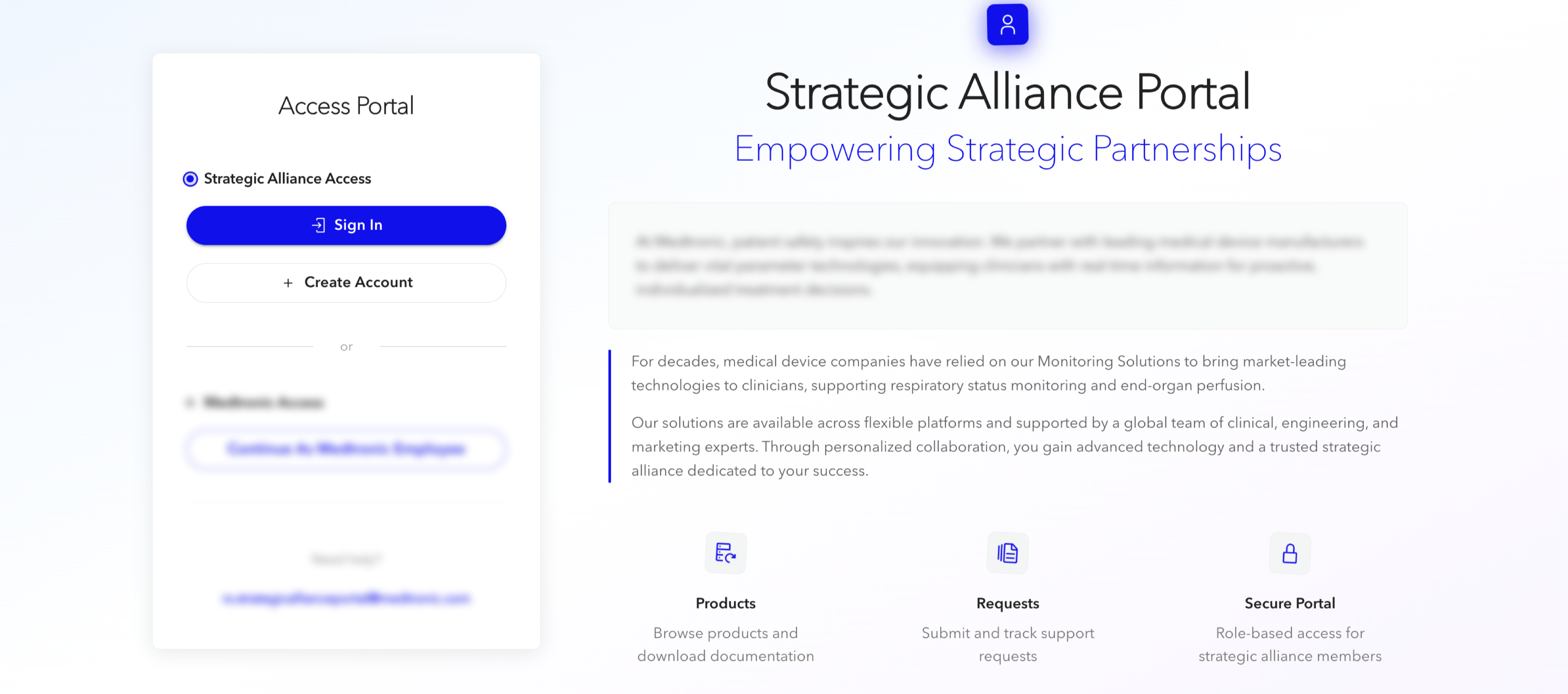
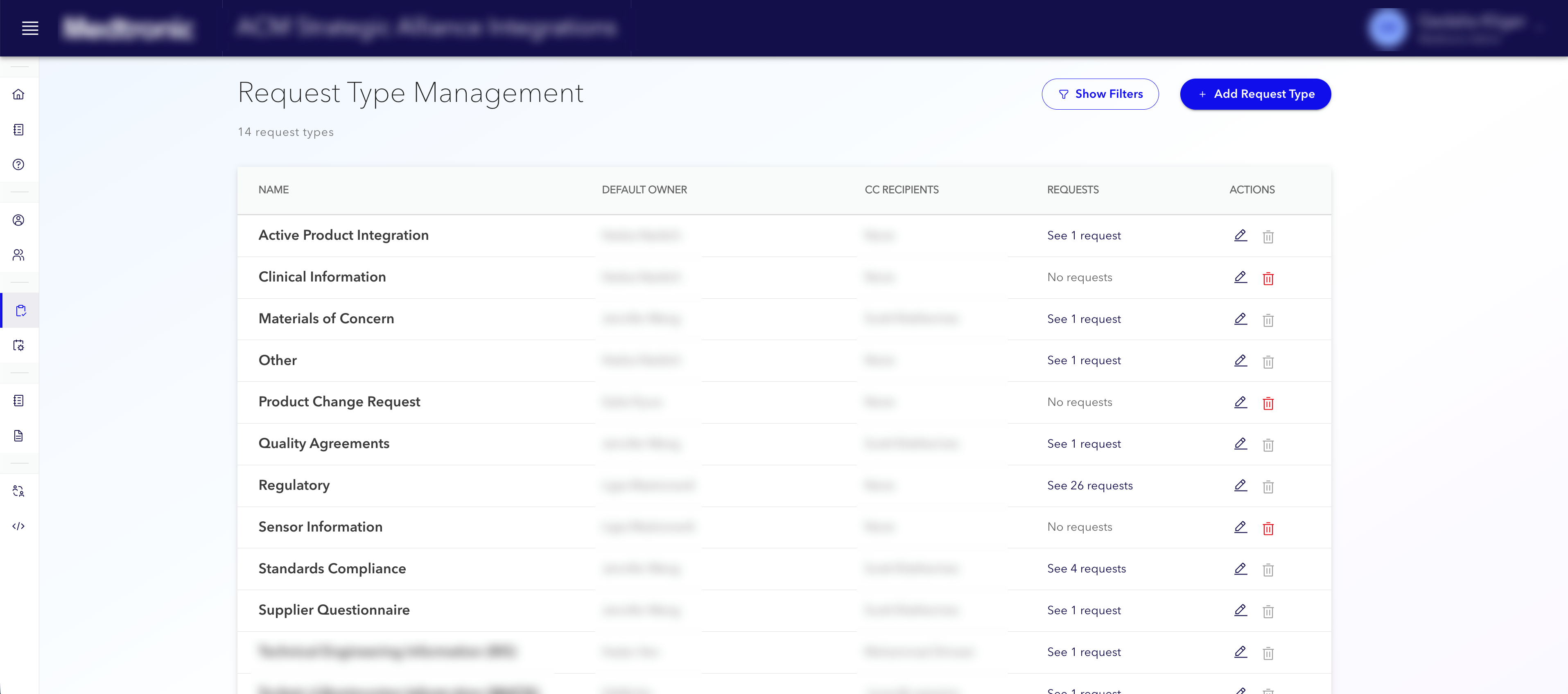
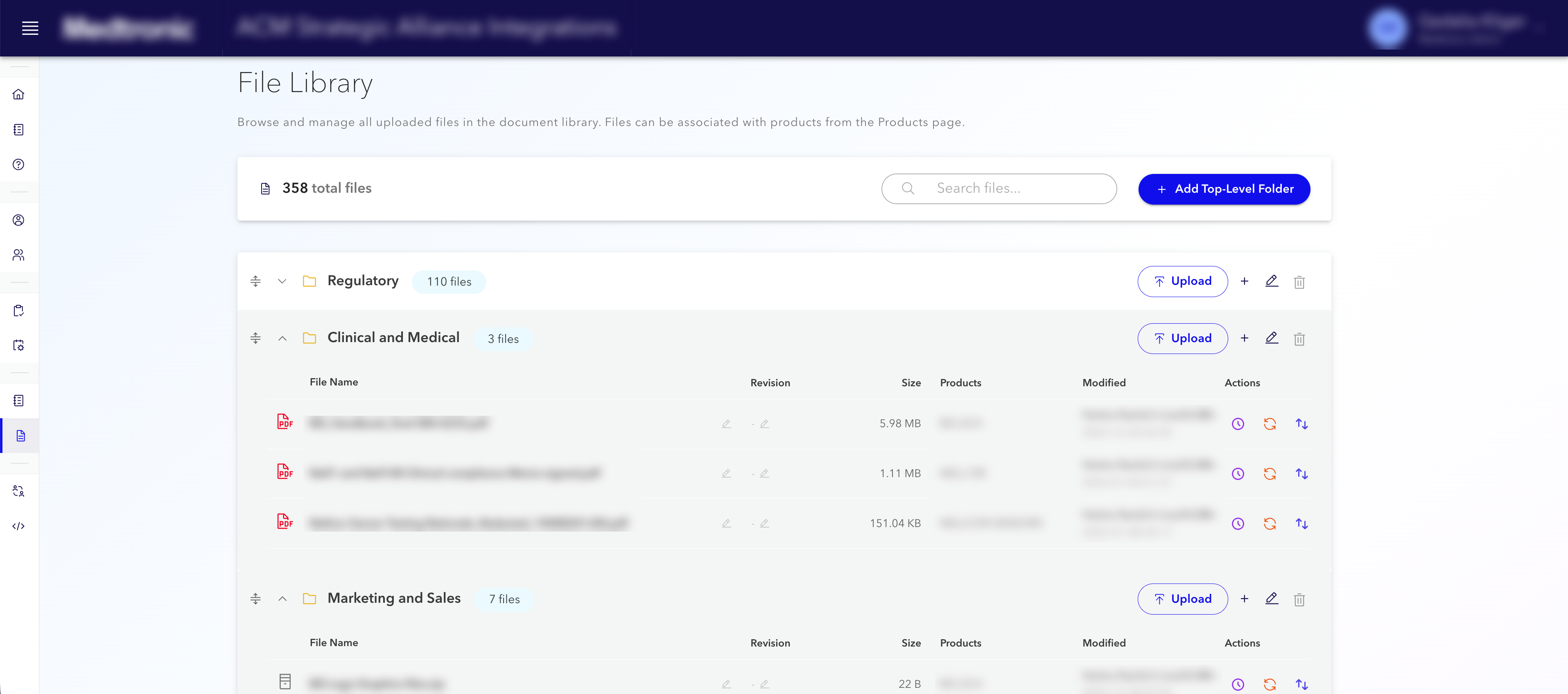
Partner documentation hub & structured requests

What they needed

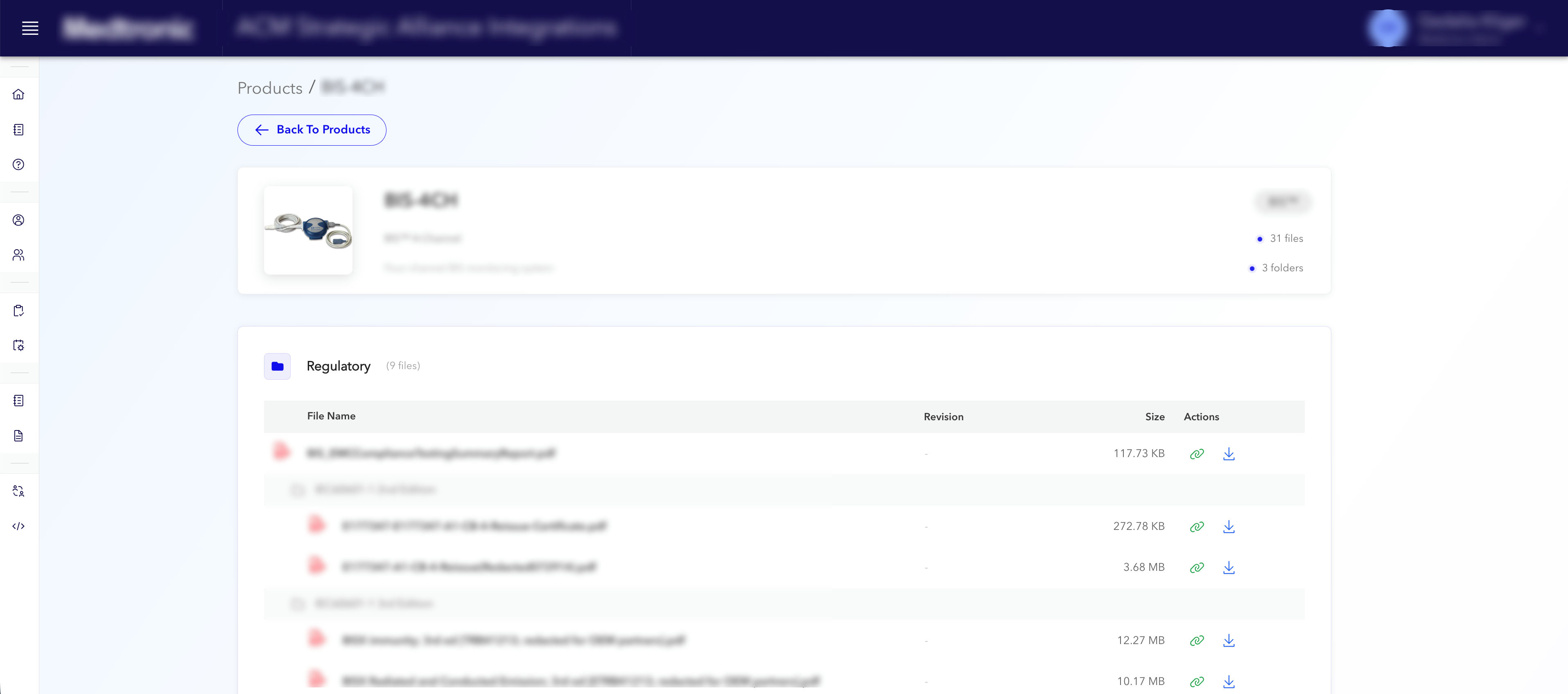
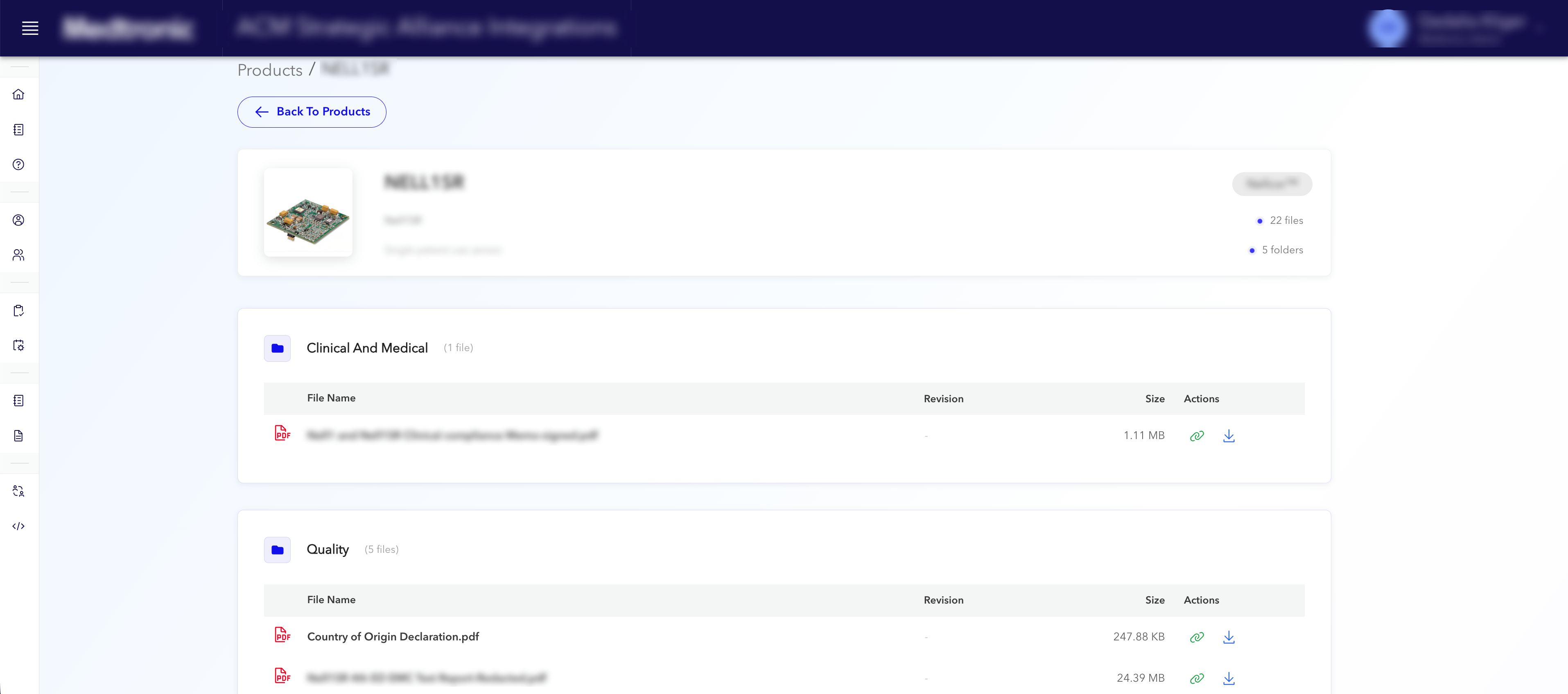
Outside manufacturing partners asked for product documents by email. Nobody could easily see who asked for what, which version was official, or who was allowed to open it.

What we built

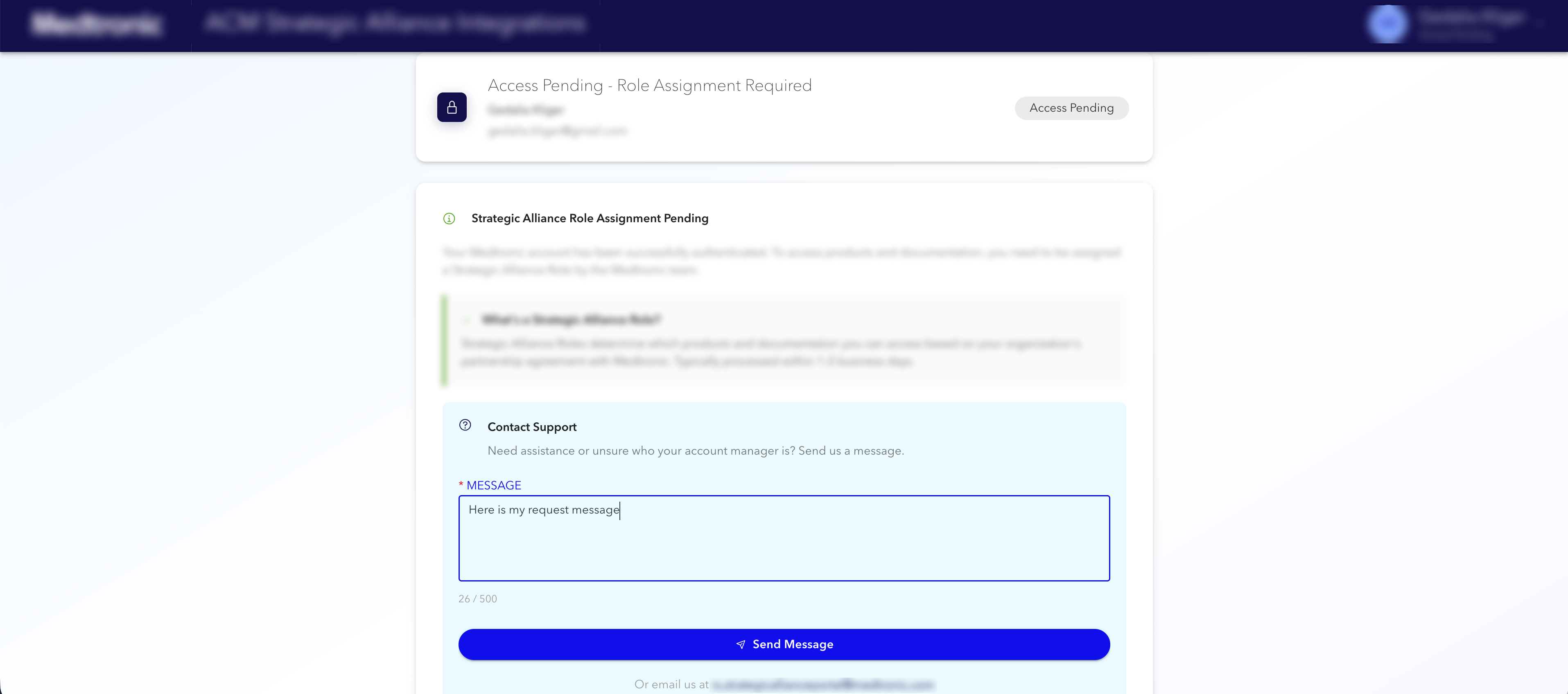
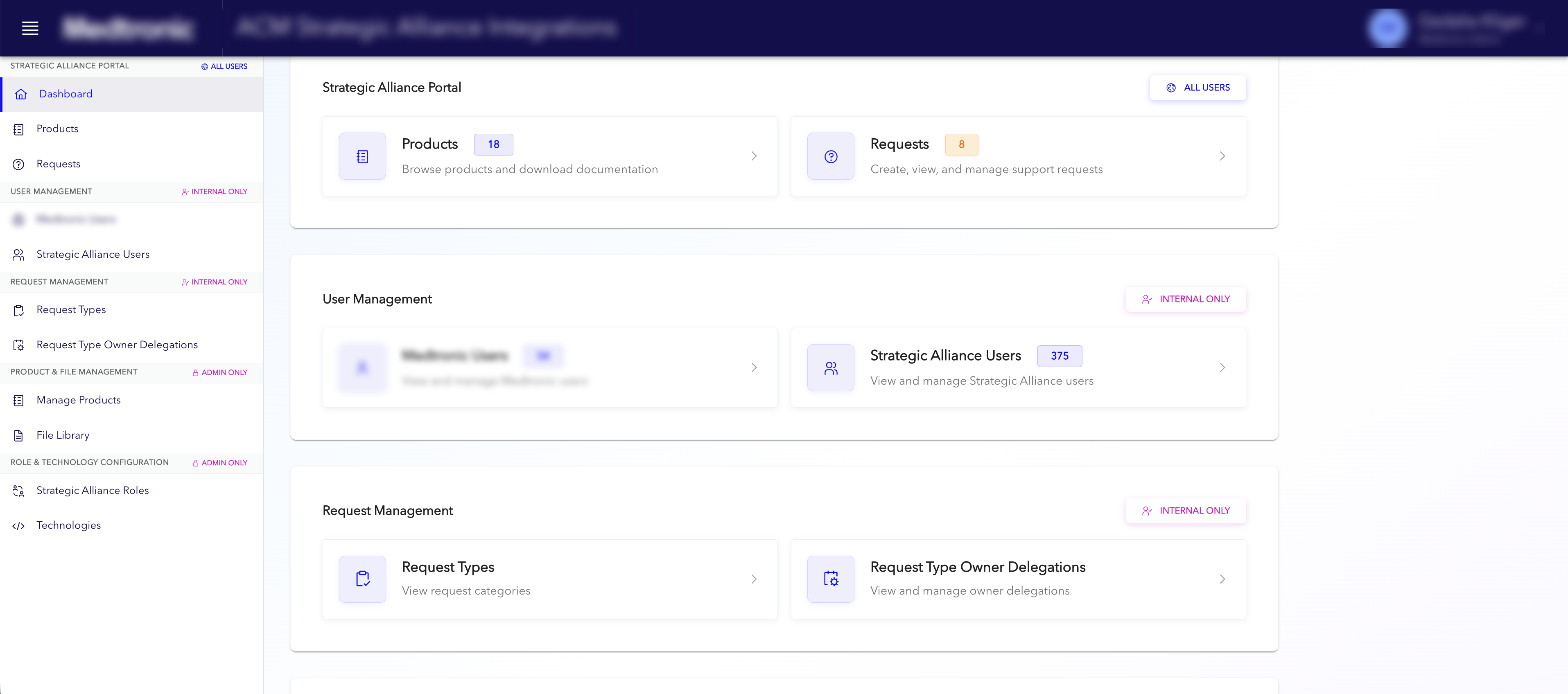
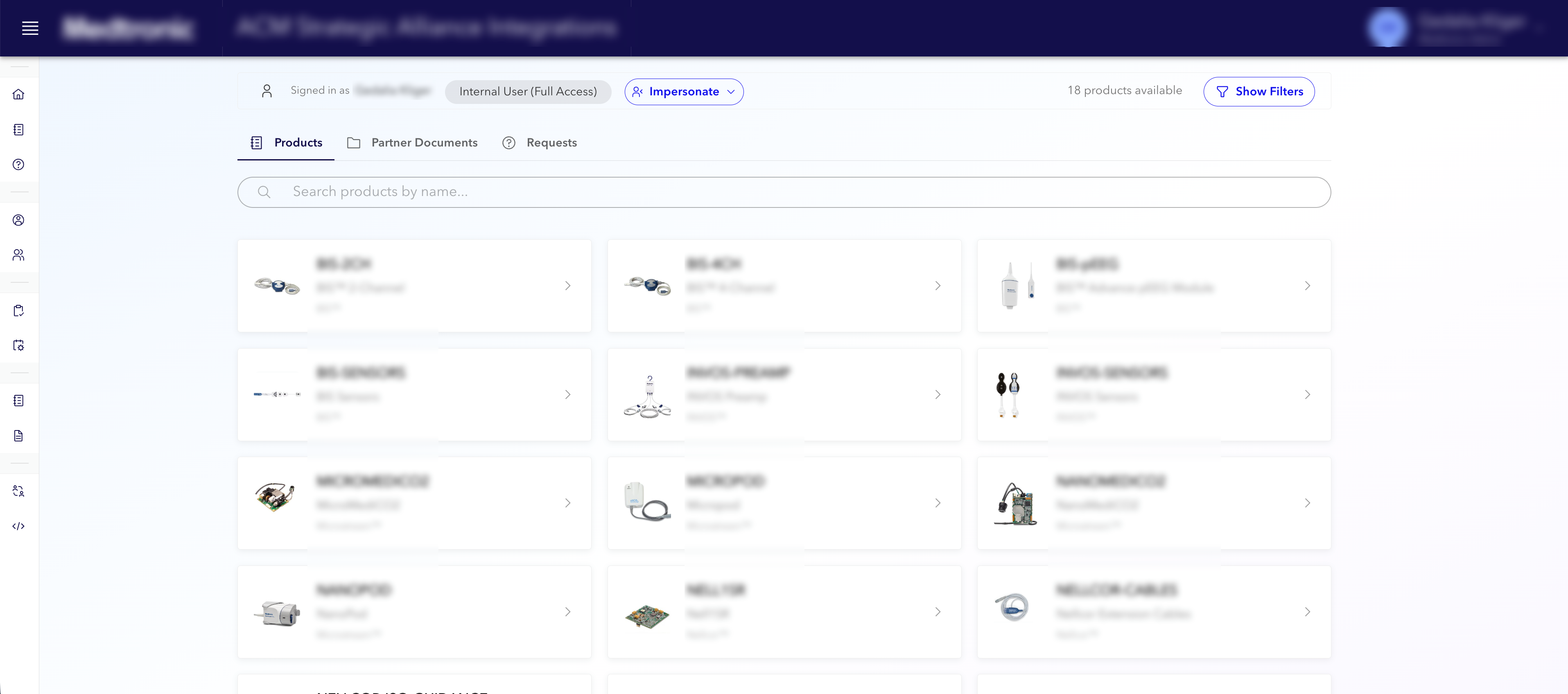
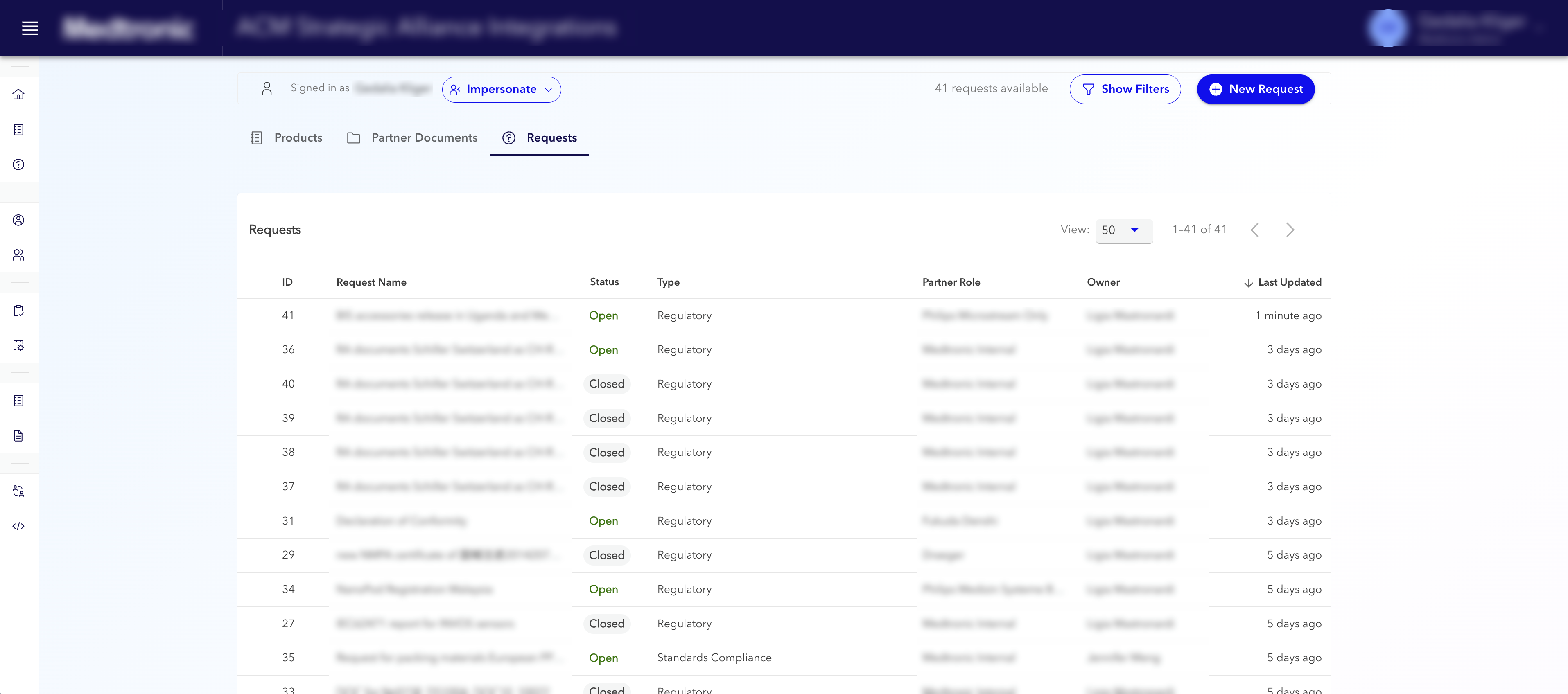
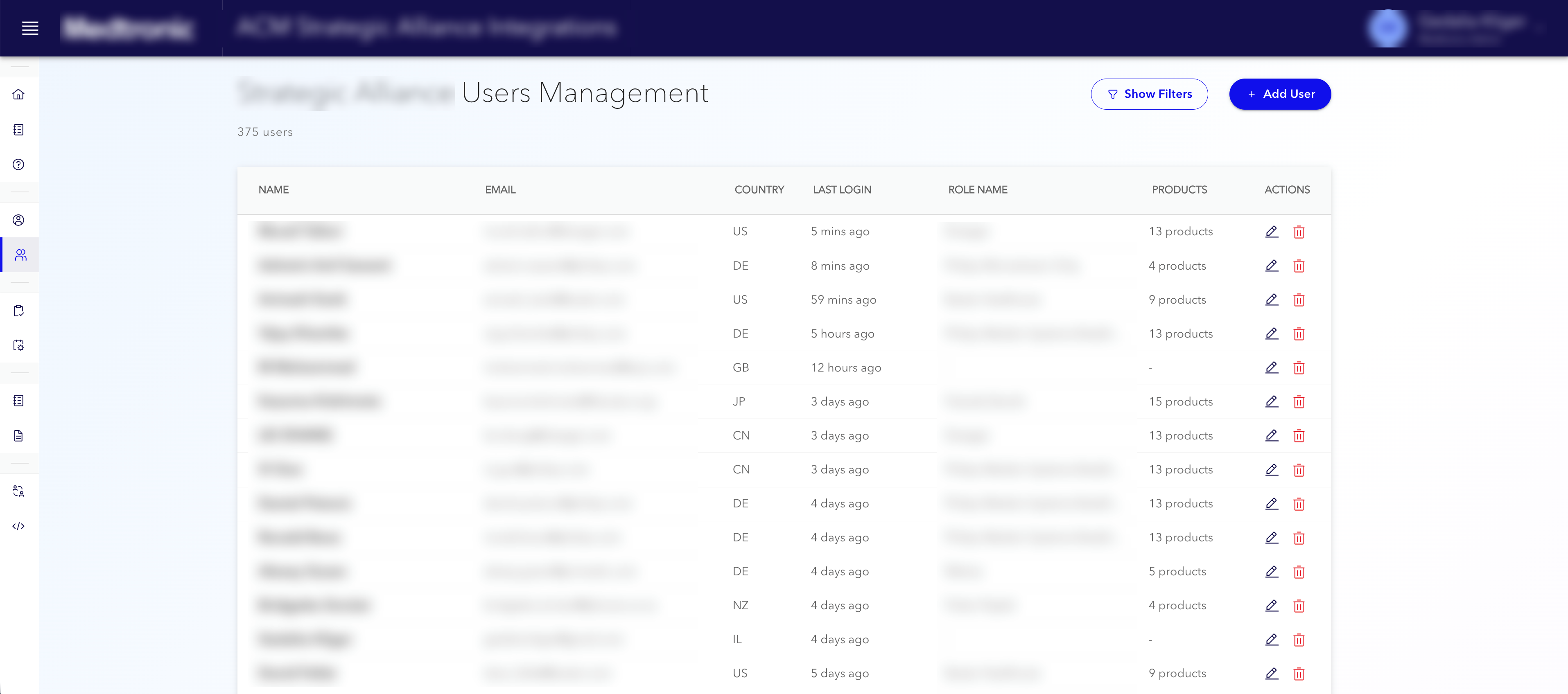
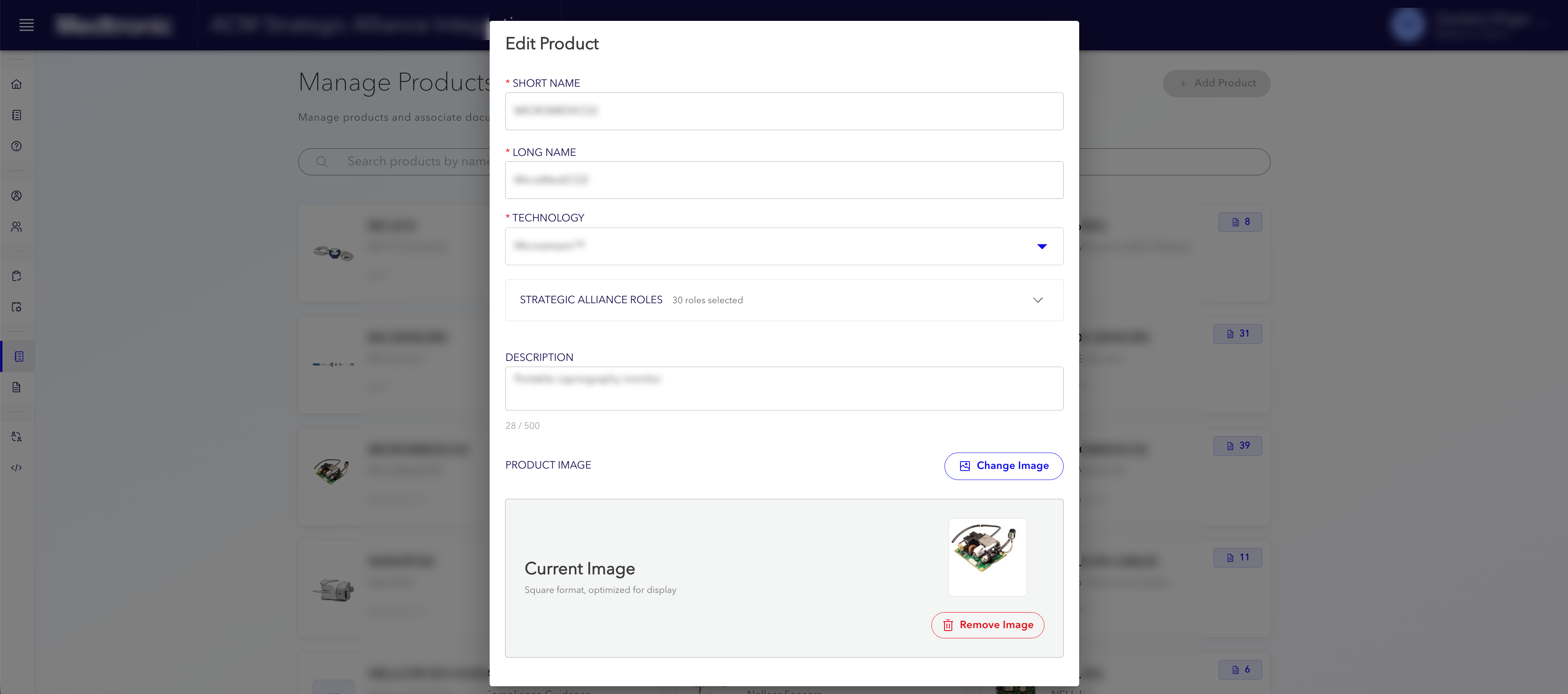
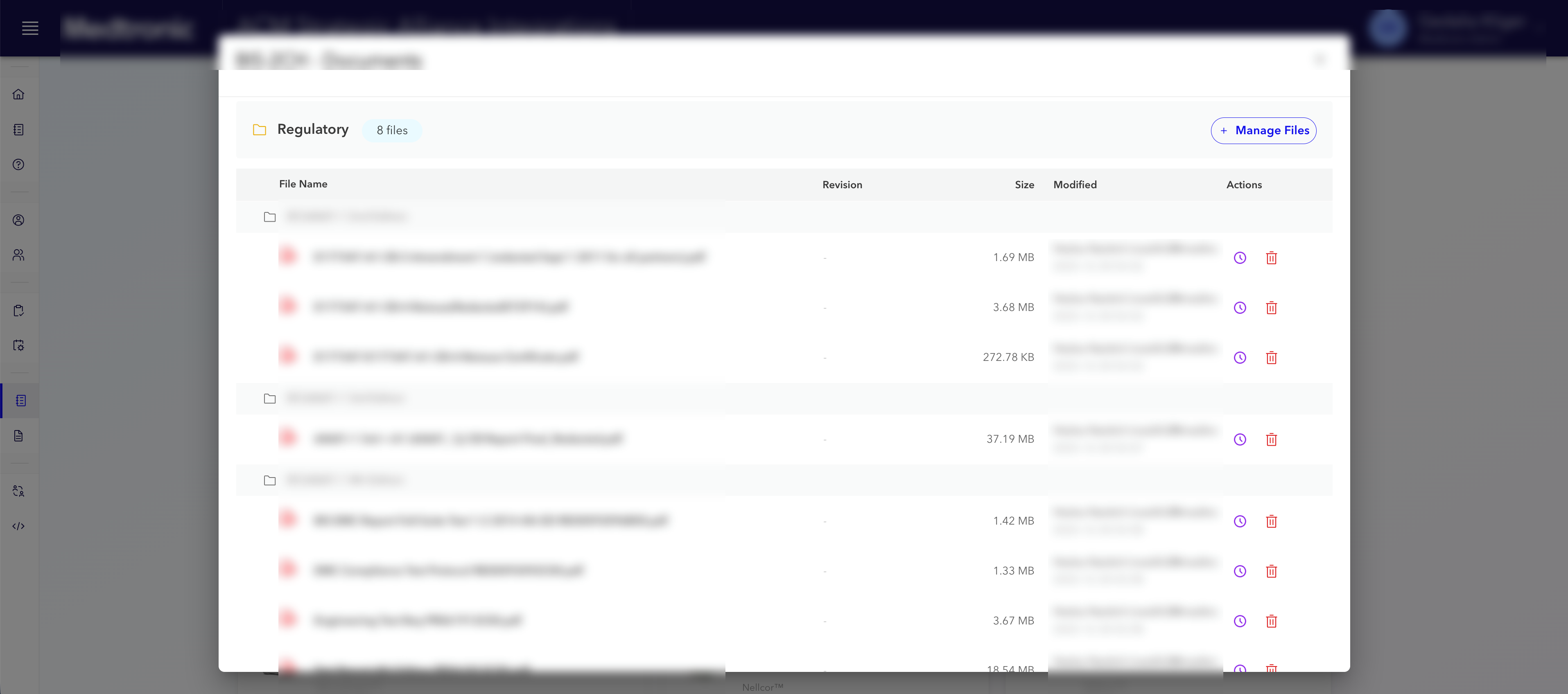
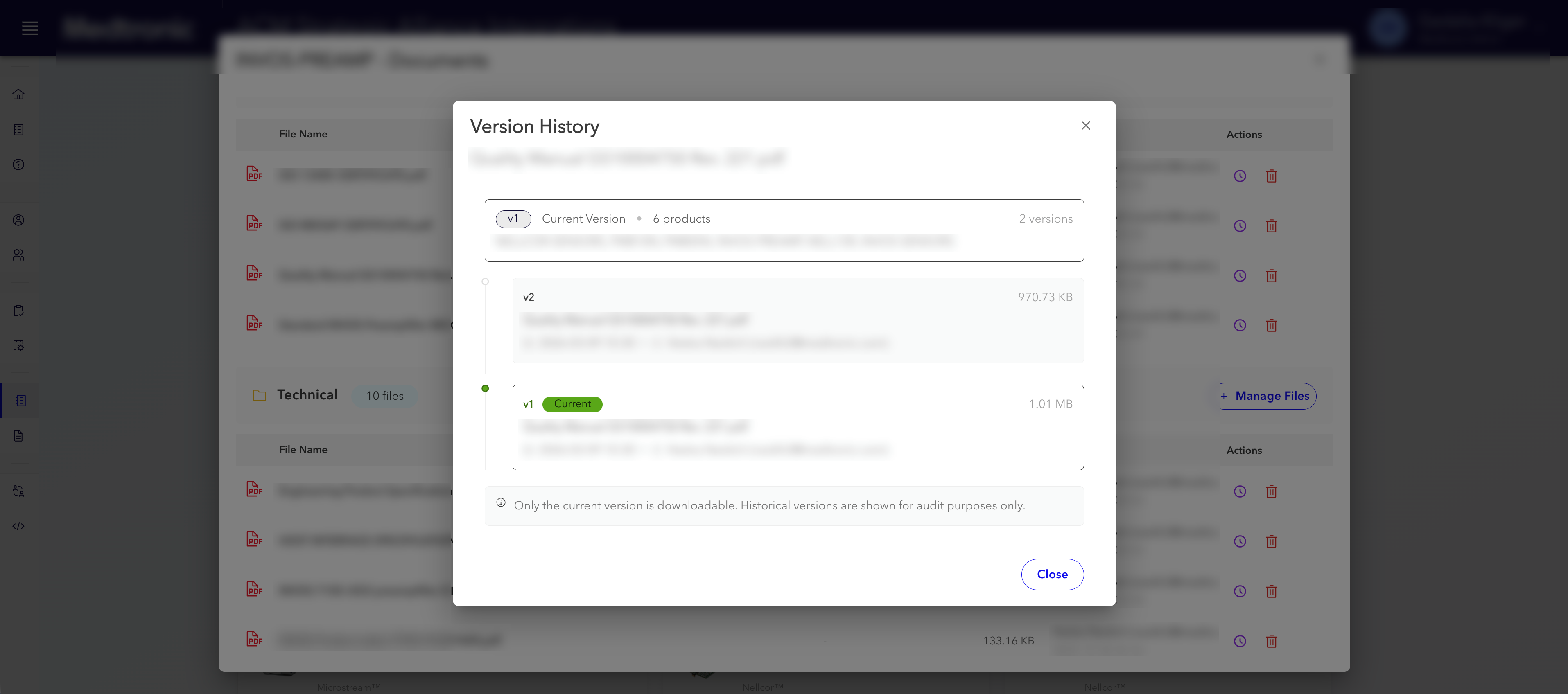
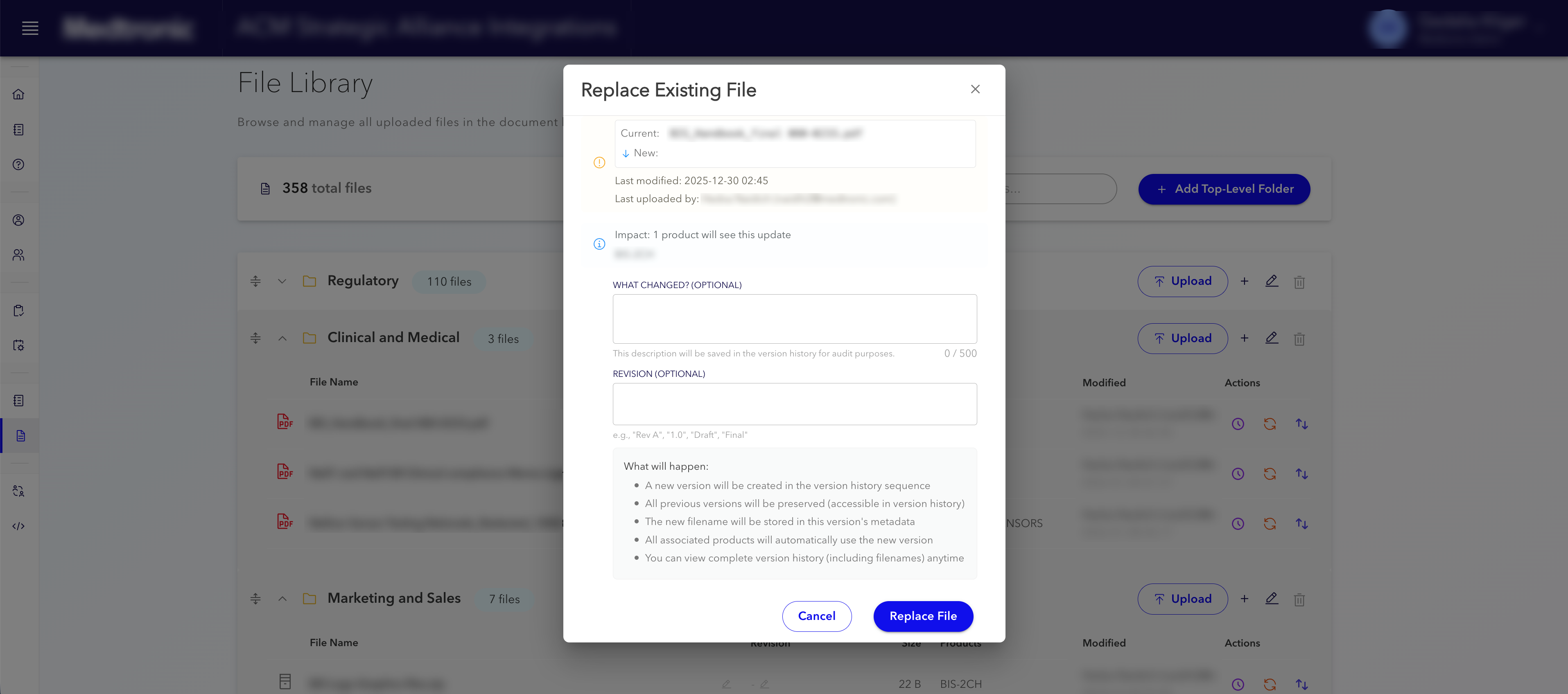
One secure place where partners browse a product catalog, open the files they need for regulatory, engineering and support work, and send a tracked request when something is missing. Staff manage products, files and who may see what in one system, not across inboxes and shared folders.

How we solved it

The problem: Questions and file hand-offs lived in long email threads and informal shared folders. It was hard to see who asked for what, which document version was official, and who was allowed to open it. Almost every permission change meant opening a separate IT task.

What we built: A single web application with two sign-in doors: internal staff sign in with Microsoft Azure AD; users at partner organizations sign in with Okta. Inside: a browsable catalog of products and technologies, each linked to its documents; a central file library in the cloud with version history and simple uploads; and a request queue sorted by topic, where every item has a responsible person and optional observers so the conversation stays in one place. Access follows role rules down to individual files. Administrators manage people, catalog content and handovers from one place. Implementation: Next.js, PostgreSQL, AWS (including Kubernetes for the live system), with automated build and release through GitLab.

Built with Next.js · React · TypeScript · PostgreSQL · AWS S3 / EKS · Docker · Prisma ORM · NextAuth.js

HR · Staff benefits

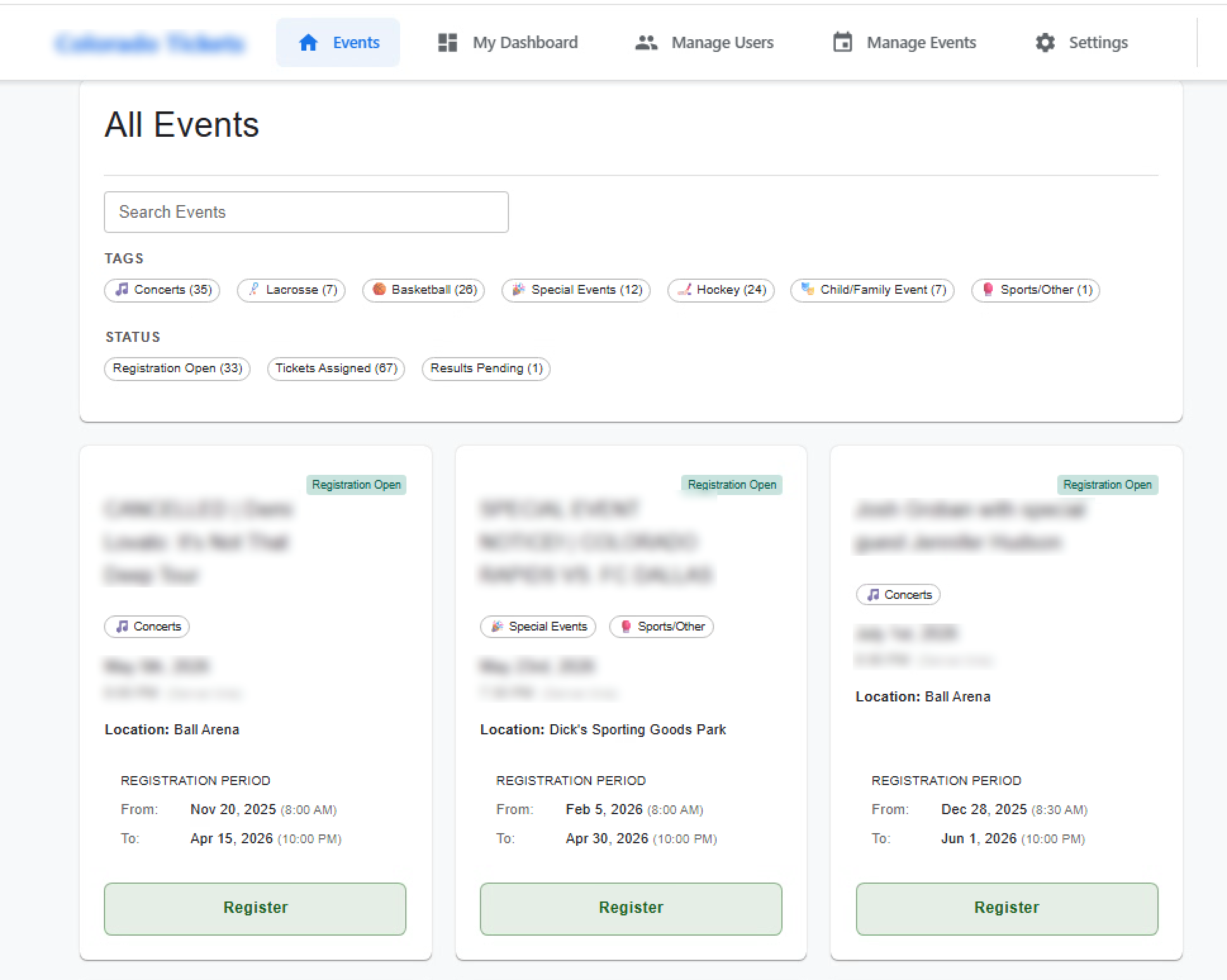
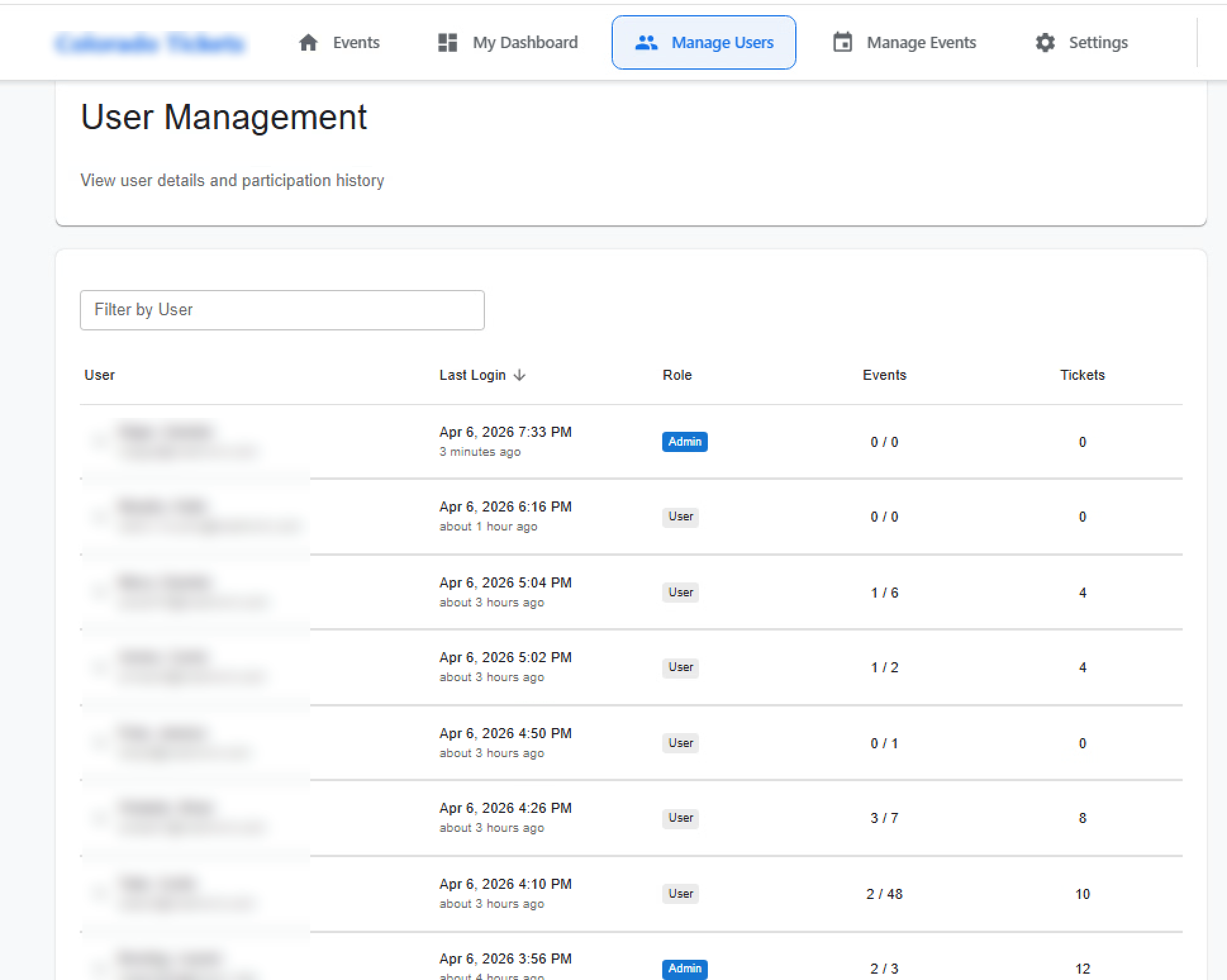
In-house lottery for company-sponsored events

What they needed

HR handed out a limited pool of sponsored seats at sports, concerts and shows by hand: requests in the inbox, names in spreadsheets, winners picked manually. Staff often asked whether it was fair.

What we built

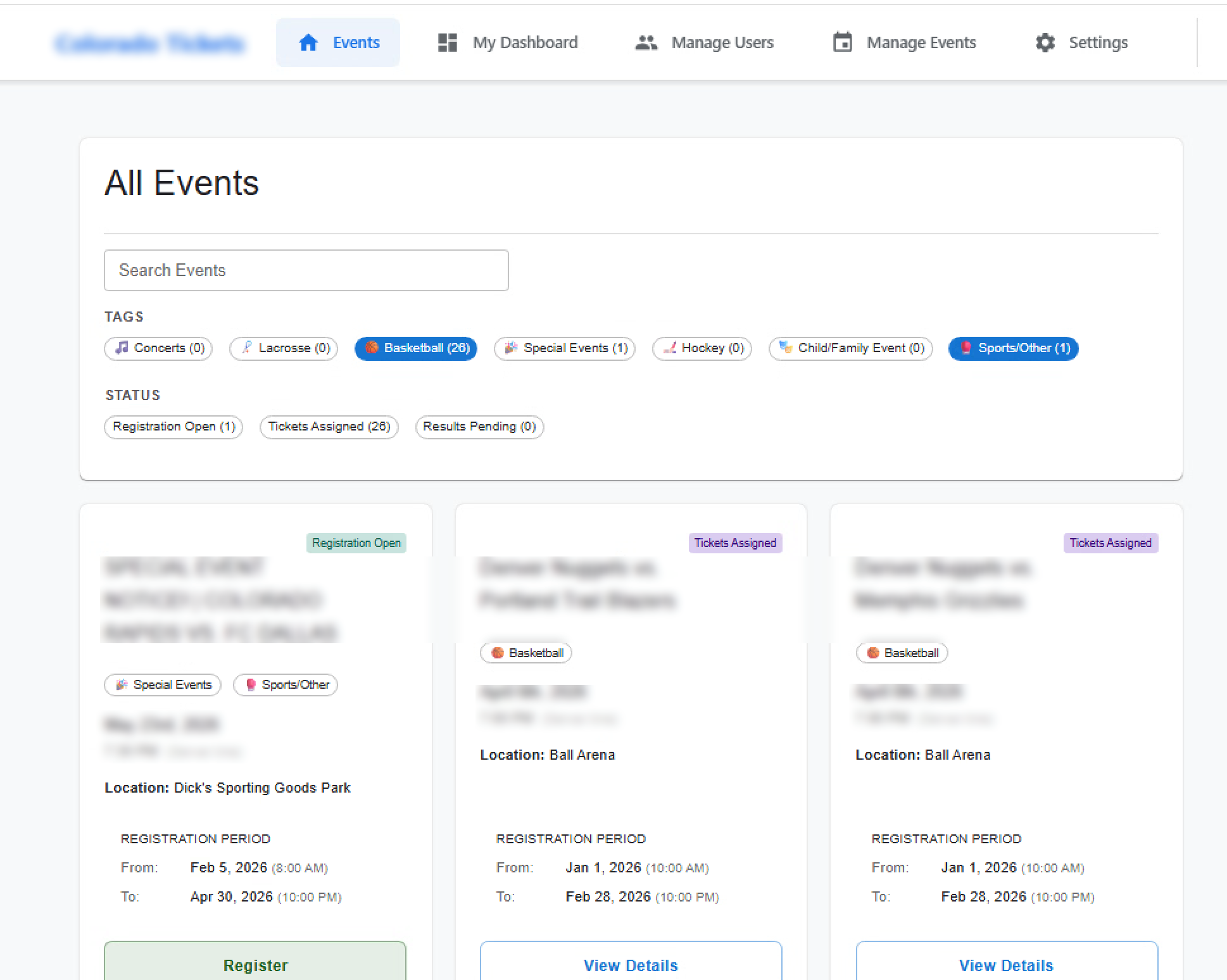
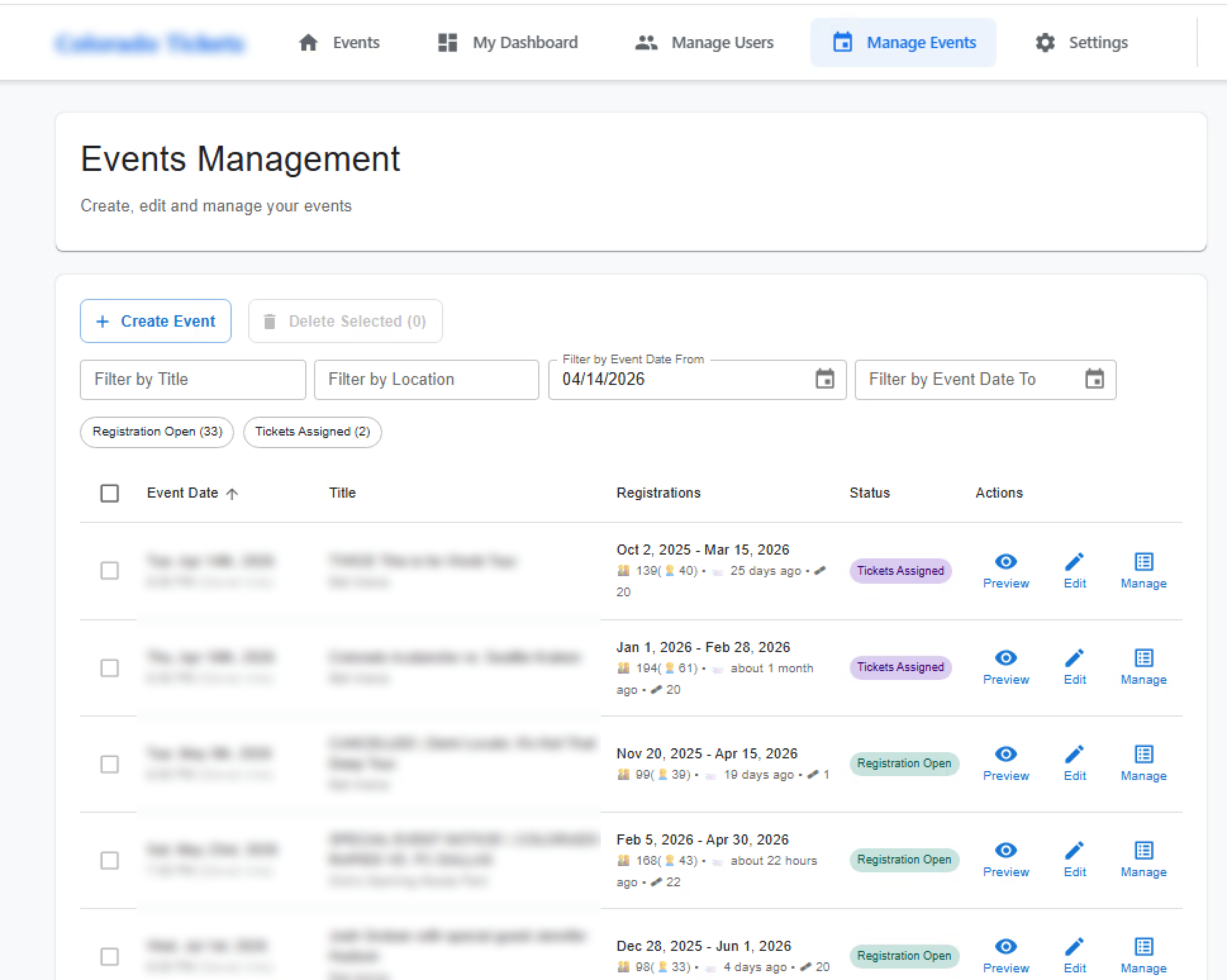
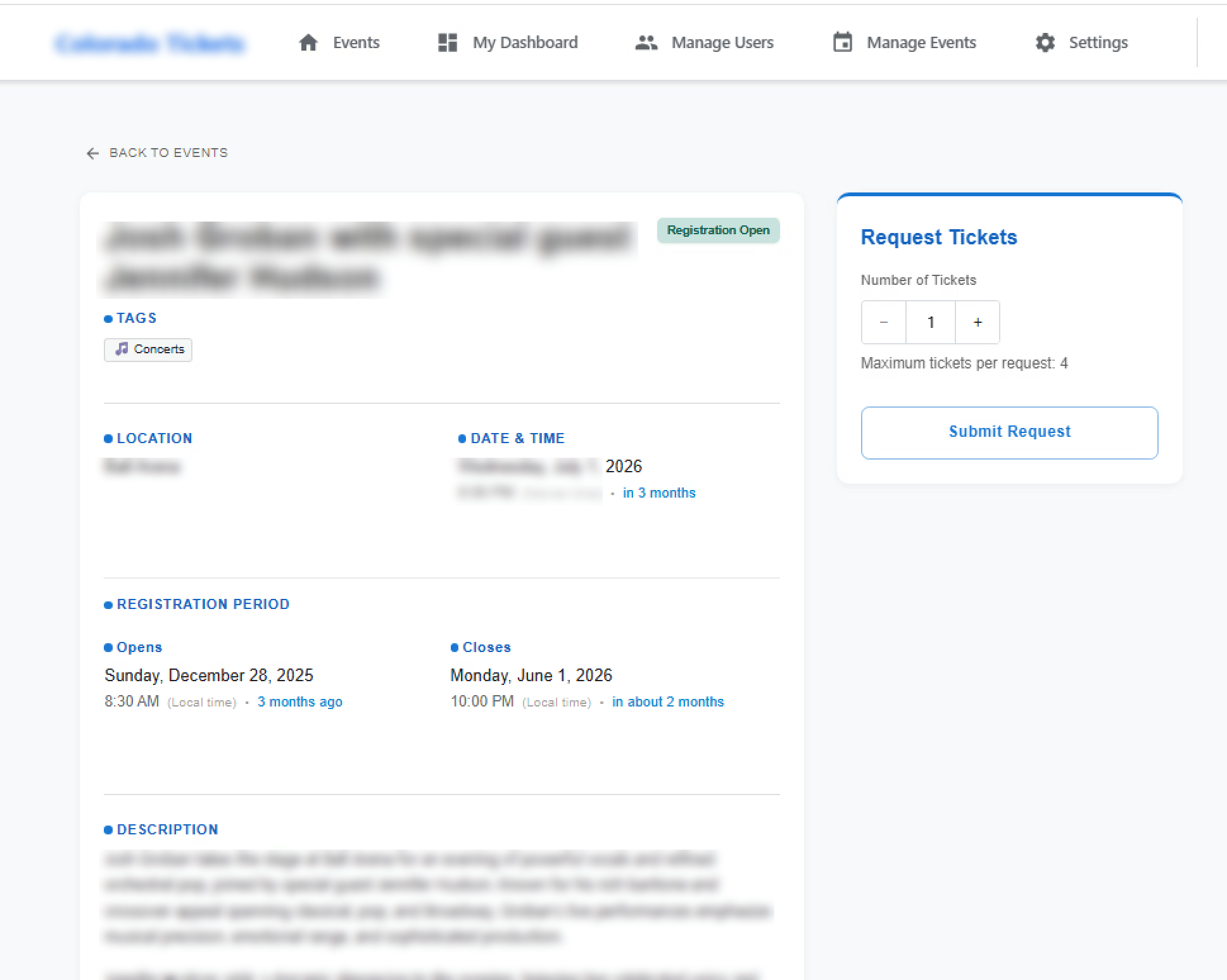
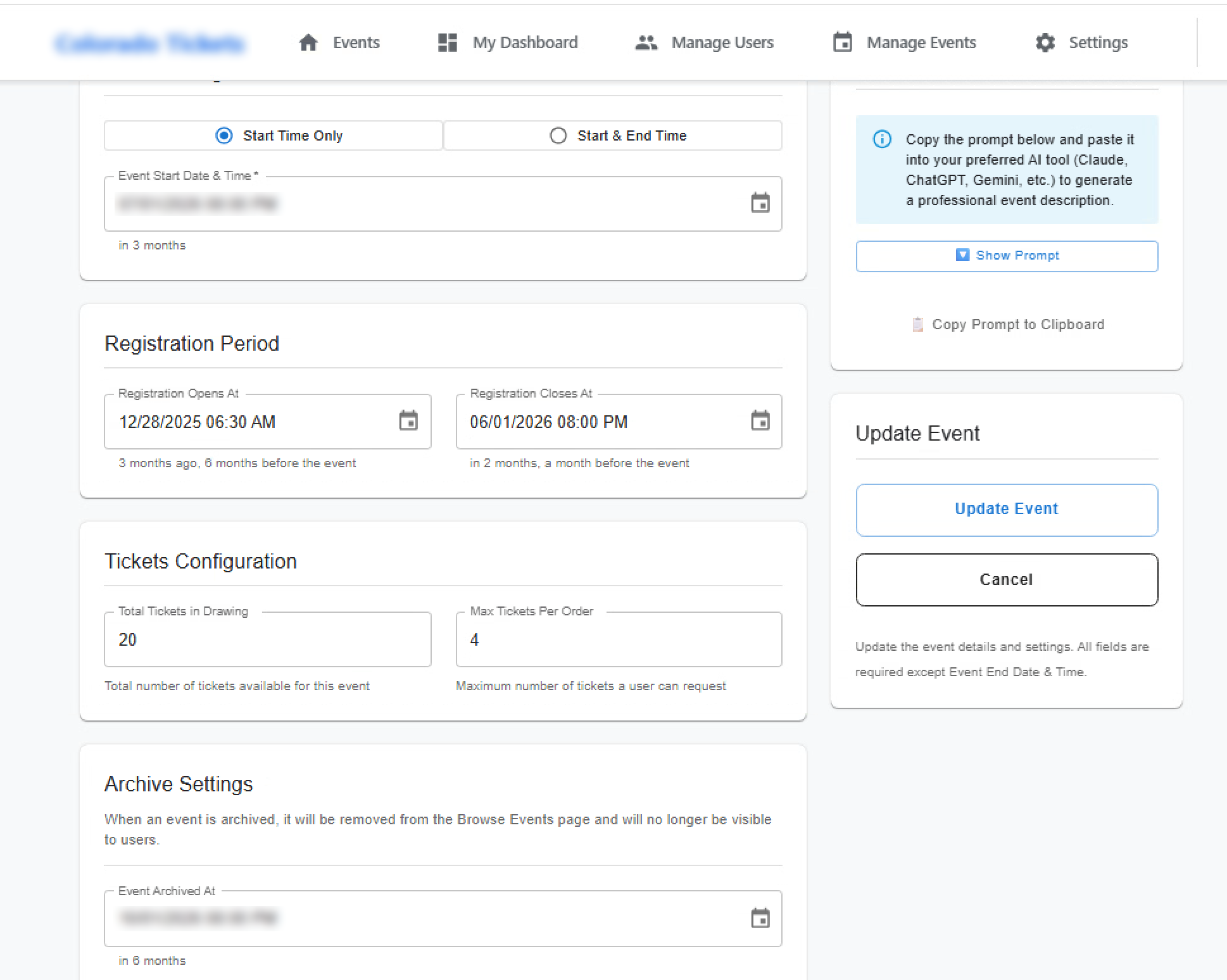
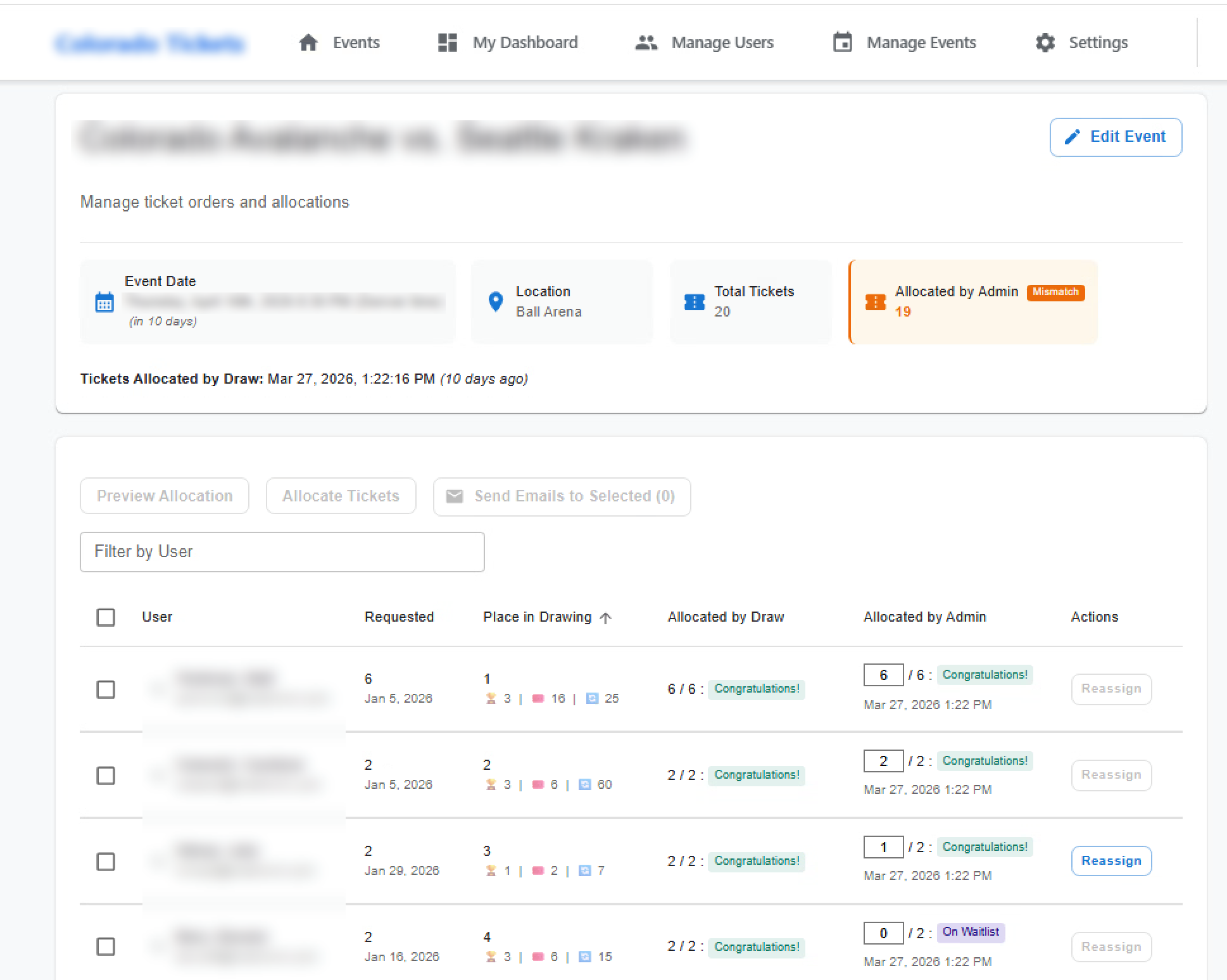
An internal calendar where employees see what’s on offer, apply within set limits, and join a fair draw when demand is higher than supply. Every round stays on record, so rules and outcomes are easy to explain. It doesn’t sell tickets or take payment; it runs the company’s perk policy in an orderly, checkable way.

How we solved it

The problem: HR ran this employee perk like a manual lottery: messages in the inbox, names in spreadsheets, winners picked by hand. The team lost time; staff could not see the rules clearly; fairness was often questioned.

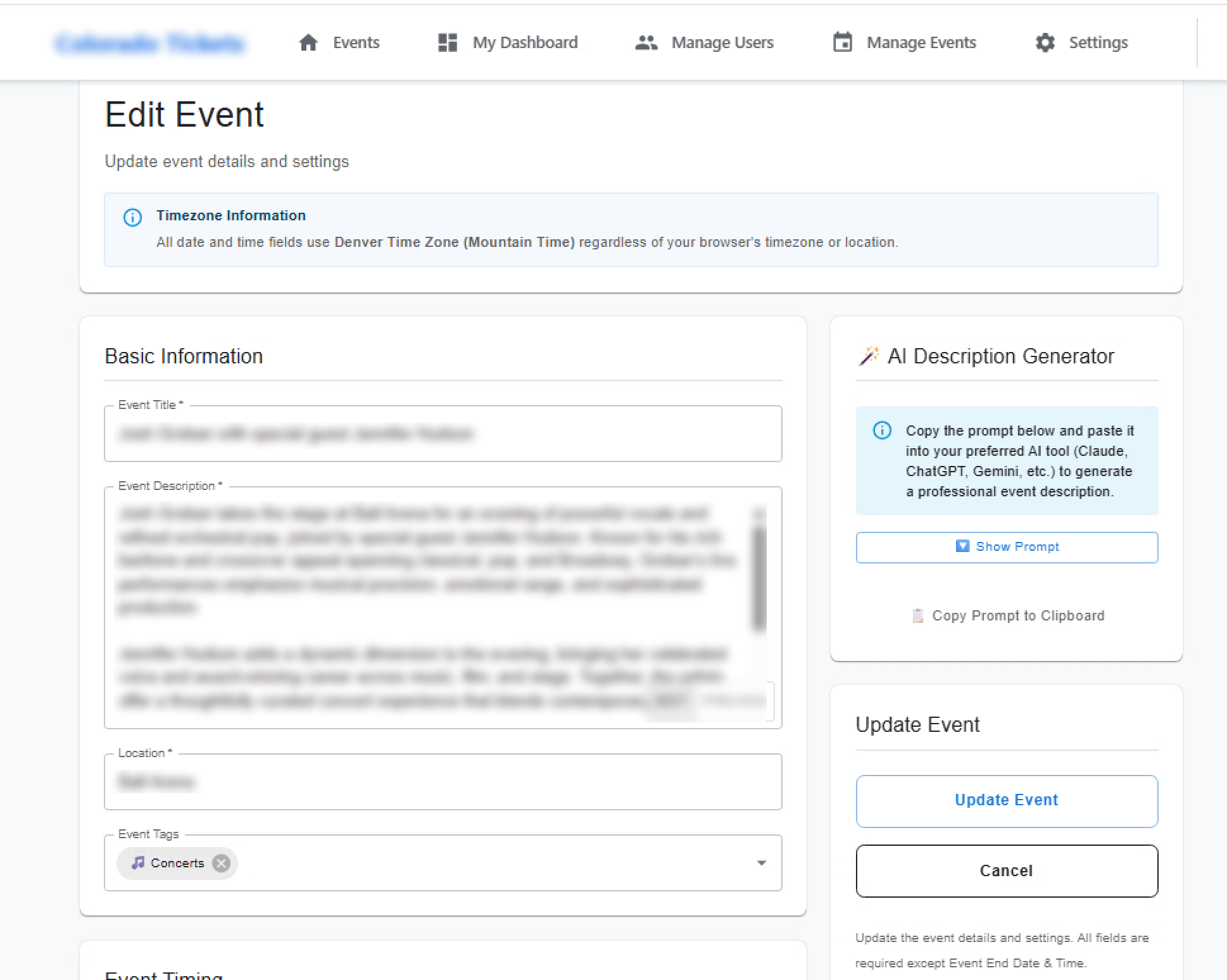
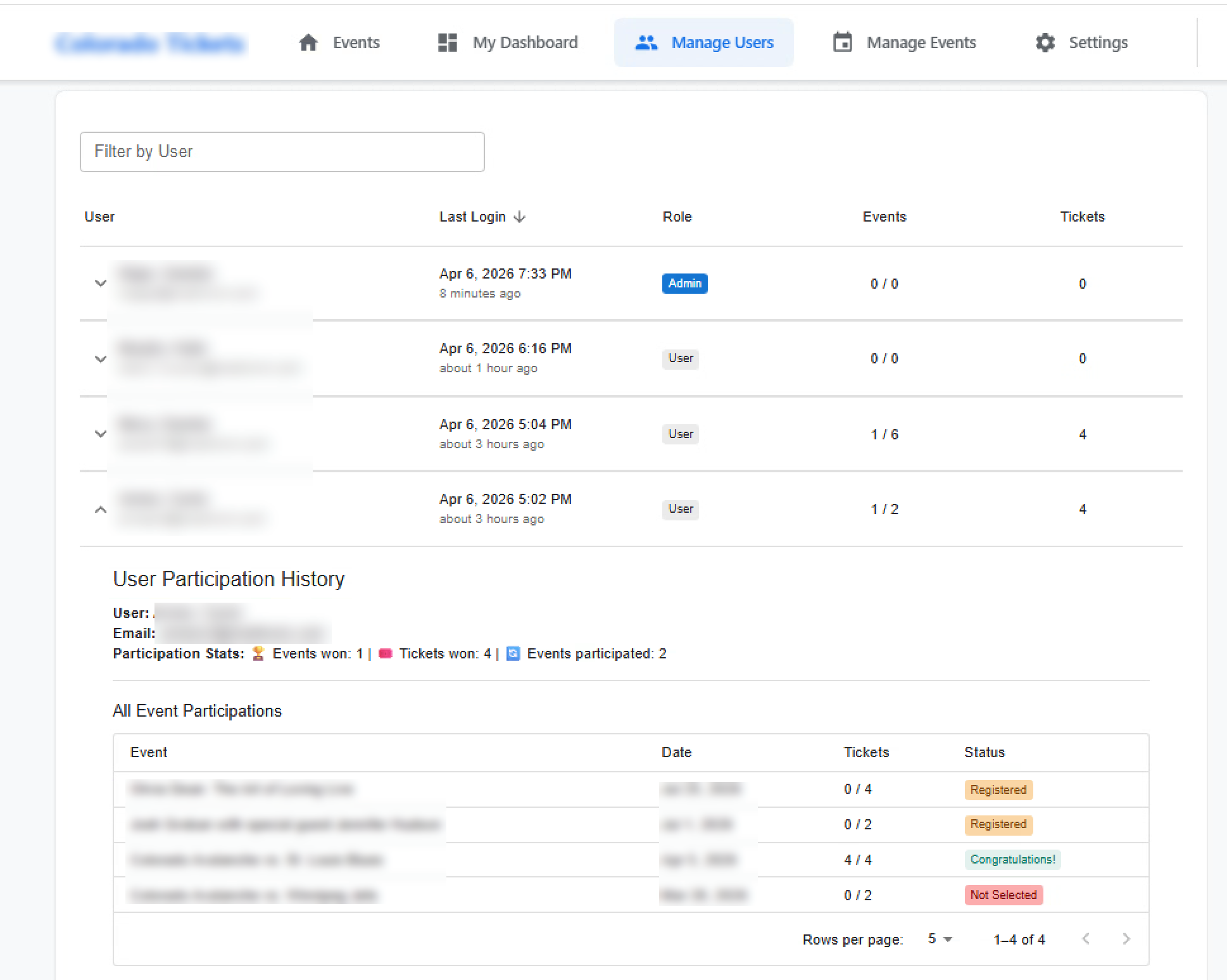
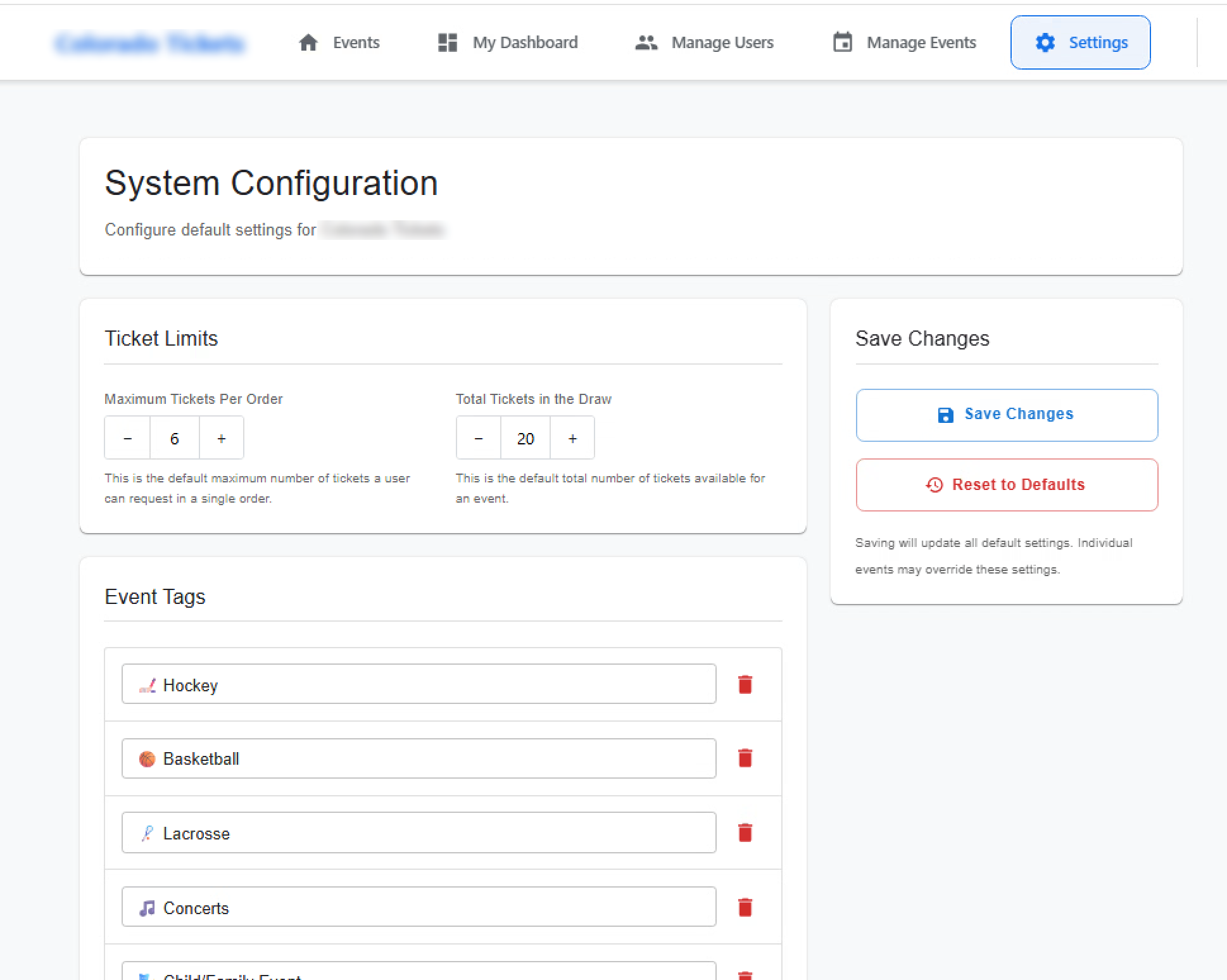
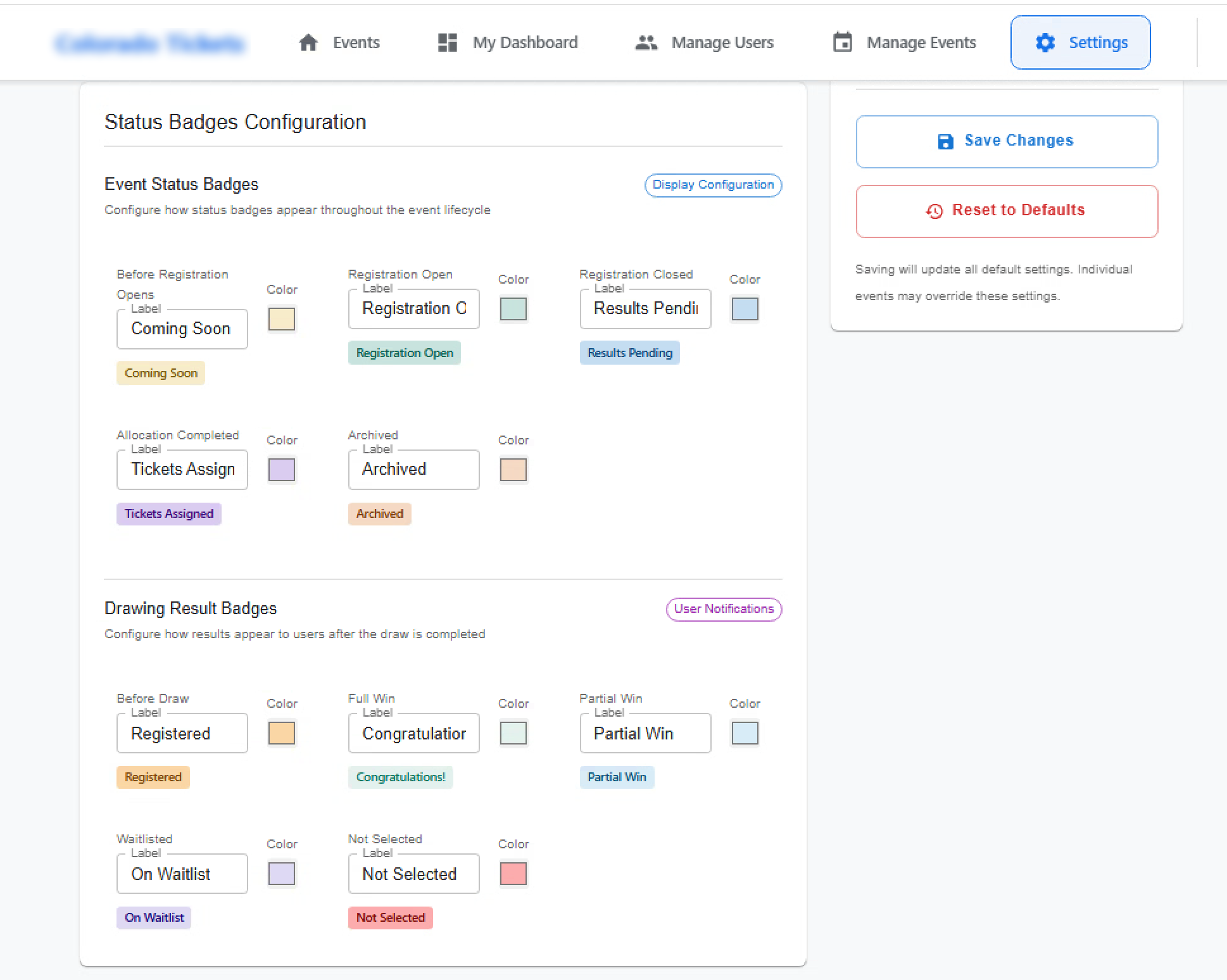
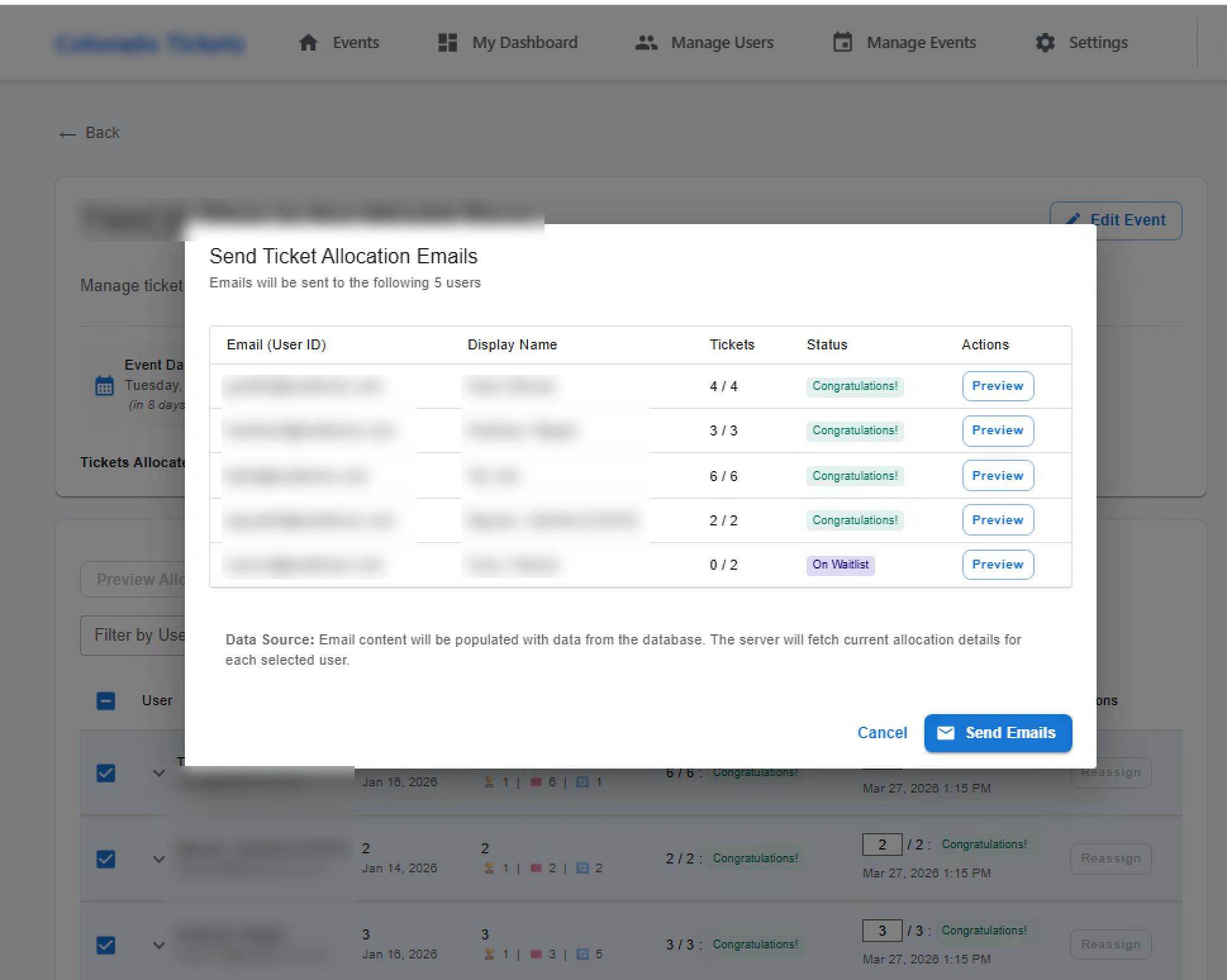
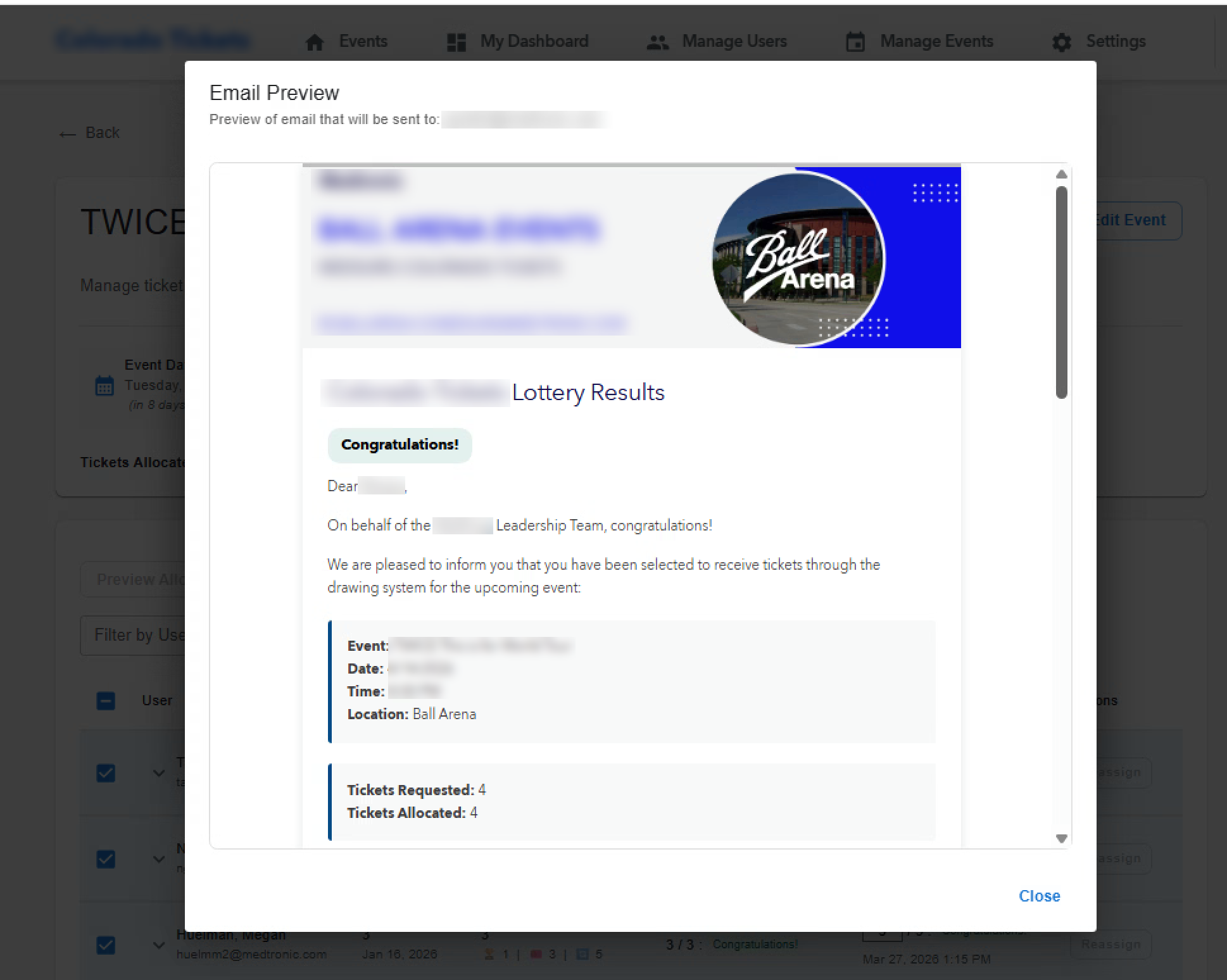
What we built: A self-service site with company sign-in (Microsoft Azure AD). Staff open a list of company-offered events (for example sports, concerts, or entertainment), say how many seats they want within each event’s cap, and receive email results when a draw closes. Administrators publish offerings, define seat pools and registration windows, run draws that remember past wins so the same people do not always win or always lose, check outcomes before they are sent, and keep waitlists in order. Every round is logged for later review. Routine labels and limits can be changed through settings, without releasing a new software version. Runs in containers (Docker) with an automated GitLab pipeline.

Built with React · Vite · Express · PostgreSQL · Azure AD sign-in · Docker · Nodemailer · Prisma ORM

Health-tech startup

SymbolStory: picture stories for therapists and parents

What they needed

Therapists and parents use short picture stories to prepare children for real moments: routines, changes, feelings. Making a personal one for each child by hand was slow.

What we built

A picture-story builder used in many countries: you describe the child and the situation, and the platform produces personalized pages, text and images, with the same character on every page. It runs in six languages, and stories export to PDF or documents for printing and sharing. AI drafts the text and art, so teams work faster.

Try SymbolStory
How we solved it

What it is: SymbolStory helps therapists, parents, and caregivers build short visual stories (pictures and simple text, page by page) that prepare children, including many on the autism spectrum, for real moments: routines, transitions, feelings, and difficult situations. Picture a calm, personalized picture book used as a teaching aid.

How it works: The adult completes a child profile (age, support level, interests, and the look of the on-page character) and chooses a goal from six areas, for example social skills, daily life, emotions, or sensory sensitivity. The system drafts a multi-page story; a second step then creates matching illustrations, keeping the same child-like figure on each page. A cloud message queue hands work between parts of the system so pages finish reliably. Text and images use managed language and image services, with a backup provider if the first is unavailable. Finished stories export to PDF or editable documents; progress can be tracked; an optional practice plan (steps, owners, dates) can sit beside the story. Adults may also upload a photo to guide the art style.

Eugene’s role, R&D lead (volunteer, Aug 2023–present): Led a six-person product team; built automated build and release from zero (GitHub Actions to Azure); delivered six-language interface support and new features in a focused three-week cycle, covering hiring, onboarding, code review, mentoring, day-to-day operations, and clear hand-offs between business stakeholders and engineers.

Built with React · Vite · TypeScript · Node.js · NestJS · MongoDB · Azure · LangChain · OpenAI / Claude · i18next (6 languages)

Internal productivity · AI adoption

Less manual prep work for teams using AI assistants

What they needed

Developers using AI assistants lost time before every request, copying code and issue details by hand so the assistant had enough to work with.

What we built

A lightweight tool that gathers the right project context in one step, so teams spend less time preparing input and more time solving real problems. Real-world adoption reached 2,500+ installs.

View the tool
How we solved it

The problem: When teams use AI to help with implementation or debugging, a lot of time is lost preparing clean input: copying code, keeping line references, and adding the issue context so the prompt is actually useful.

What we built: A focused workflow tool for JetBrains IDE users that packages code together with inline issue context in one step. Instead of repetitive manual prep, users can move straight into problem-solving with cleaner, more complete AI input. The public release reached 2,500+ installs, which gave clear outside validation that the workflow problem was real and the solution was useful.

Built with JetBrains plugin · AI workflow · Public product

What we can add to your system

Already have something running? We add to it, connect it to other tools, and upgrade it without starting over. We use proven open-source tools by default, or match what you already use.

Payments

Stripe, Paddle, or the payment provider you already use. Subscriptions, one-off charges, invoices and refunds, added securely to your existing system.

Maps and locations

Interactive maps, address autocomplete, area-based alerts and routing, using Google Maps, Mapbox or OpenStreetMap (free and open-source), depending on budget and privacy needs.

Automatic emails

Confirmations, alerts, approvals and summaries sent automatically, built on Nodemailer (open-source), SendGrid, Postmark or AWS SES, whichever fits your setup.

Text messages and notifications

Instant alerts by SMS (Twilio or your carrier) and browser or phone notifications, for jobs where email isn’t fast enough.

Chat and messaging

Conversations, direct messages or support chat inside your app, built with open-source tools (Socket.io, Matrix) or connected to Intercom, Slack or Teams.

Dashboards and reports

Charts, key numbers and exportable reports inside your product, using open-source libraries (Recharts, Apache ECharts) or your existing reporting tool (Power BI, Looker, Metabase).

Connections to other software

Link your system to Salesforce, HubSpot, SAP, Jira or almost any service with an API (REST, GraphQL, webhooks). We build the sync with retries, so it doesn’t break silently.

Sign-in with work accounts

Let people log in with the account they already have: Azure AD, Okta, Google Workspace or any SAML/OIDC provider (single sign-on), with roles, automatic user setup and an audit log.

AI features

Practical additions: document summaries, search that understands meaning, smart form filling, sorting incoming requests, or a chat assistant, using OpenAI, open-source models (Ollama, Llama) or your preferred provider.

We prefer open-source tools: they cut licence costs and keep you in control. When a paid service fits better, we’ll say so and explain why.

How we work

Clear steps, steady updates, and a scope you agree to upfront. You always know what’s next, and who leads each step.

  1. 01 You lead

    Understanding

    You tell us how the business runs. We get clear on what you need, what’s in scope, and what could go wrong, before we build anything.

  2. 02 Together

    Design & plan

    We shape the solution with you to match the real need and budget. No overbuilding, no cutting corners.

  3. 03 We lead

    Build

    We build in steps with regular check-ins. You see working software early, not only at the end.

  4. 04 We lead

    Launch

    We take care of going live: hosting, setup, plain-language guides, and handover to your team, your way.

  5. 05 We lead

    Support

    After launch we stay reachable for monitoring, fixes, improvements and new needs as you grow.

You steer the business

Let’s talk

Tell us what you’re trying to solve.

We do the technology

We’ll be straight about fit and what it would take: fixed scope, time & materials, or retainer.